Condensation between the panes of a double or triple-pane window is another dead giveaway. That fogging or moisture trapped inside the glass means the seal between the panes has failed and the insulating gas — typically argon or krypton — has escaped. Once that gas is gone, you essentially have two panes of glass with no insulation between them, which is dramatically less efficient than the window was designed to be. No amount of cleaning fixes this; the window needs to be repaired or replaced.
Pay attention to temperature inconsistency inside your home too. If certain rooms always feel colder in winter or noticeably hotter in summer despite the thermostat holding steady elsewhere, and those rooms have more window exposure, that's a strong indicator that the windows are letting outdoor temperatures bleed in. Your HVAC system reads the thermostat's location, not every corner of the house — so it keeps cycling while heat or cold pours in through inefficient glass.
Windows over 15 to 20 years old should be on your watch list regardless of visible symptoms. Older windows typically lack modern features like low-emissivity coatings, which reflect infrared heat back into the room in winter and block solar heat gain in summer, and multi-pane designs with insulating gas fills. Single-pane windows, which are still found in plenty of older homes, provide almost no meaningful insulation — they're essentially just a thin sheet of glass between you and the outside temperature.
One simple test you can do yourself: hold a lit candle or a stick of incense near the edges of a closed window on a windy day. If the flame flickers or the smoke gets disturbed, air is moving through — and so is your money.
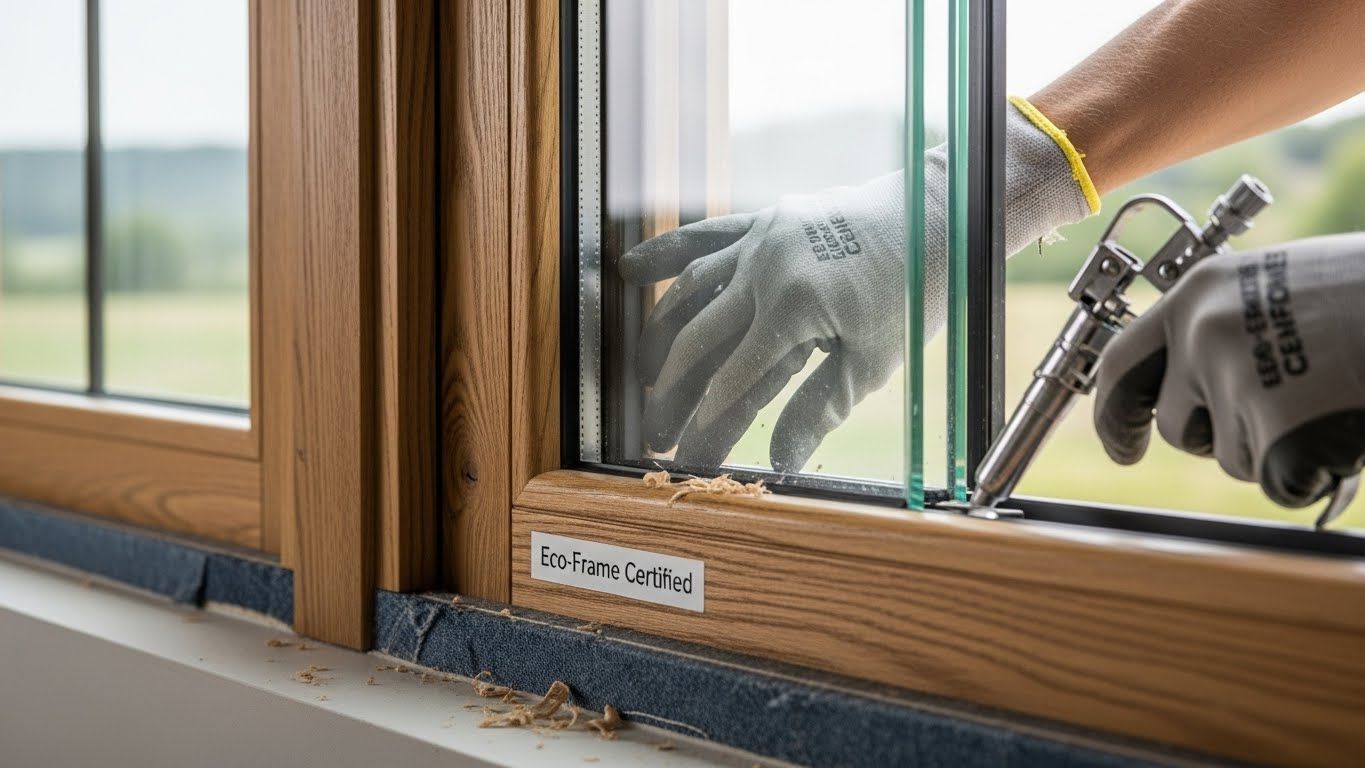
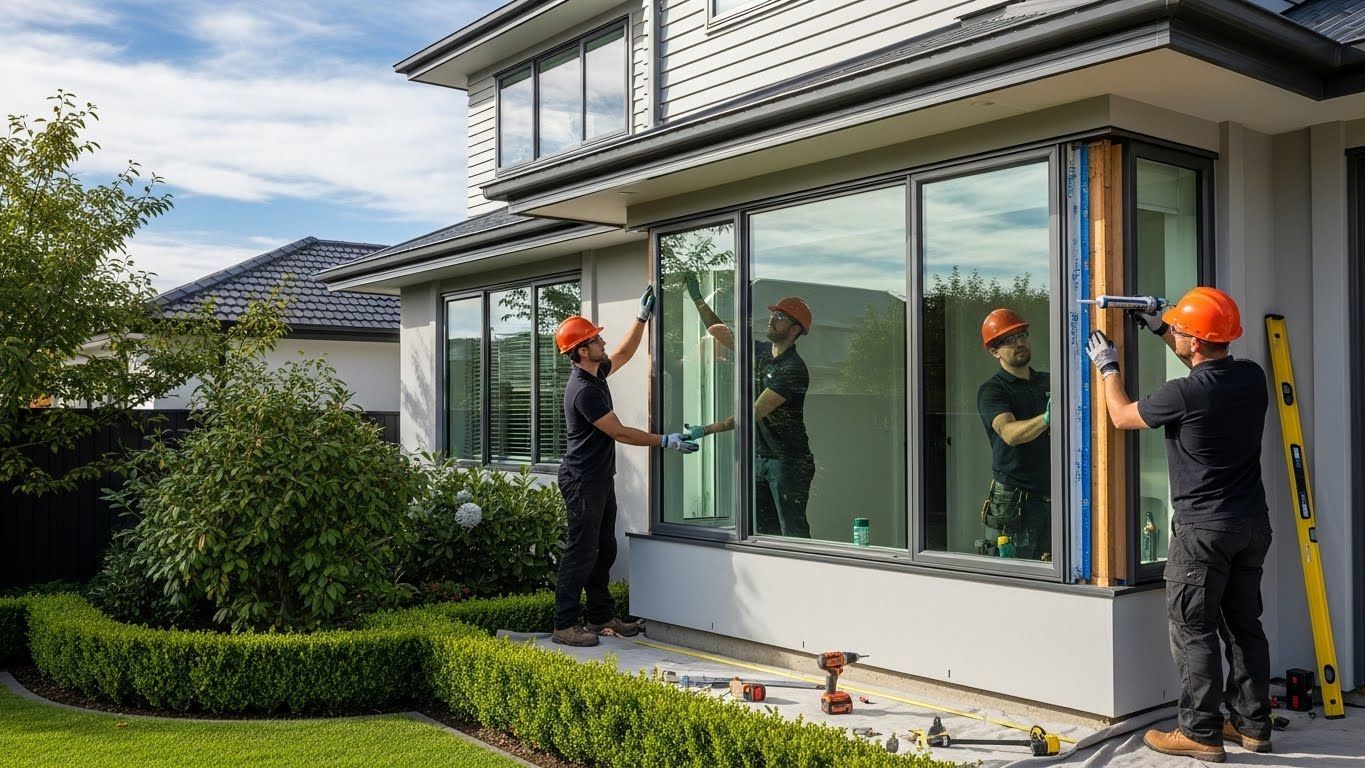
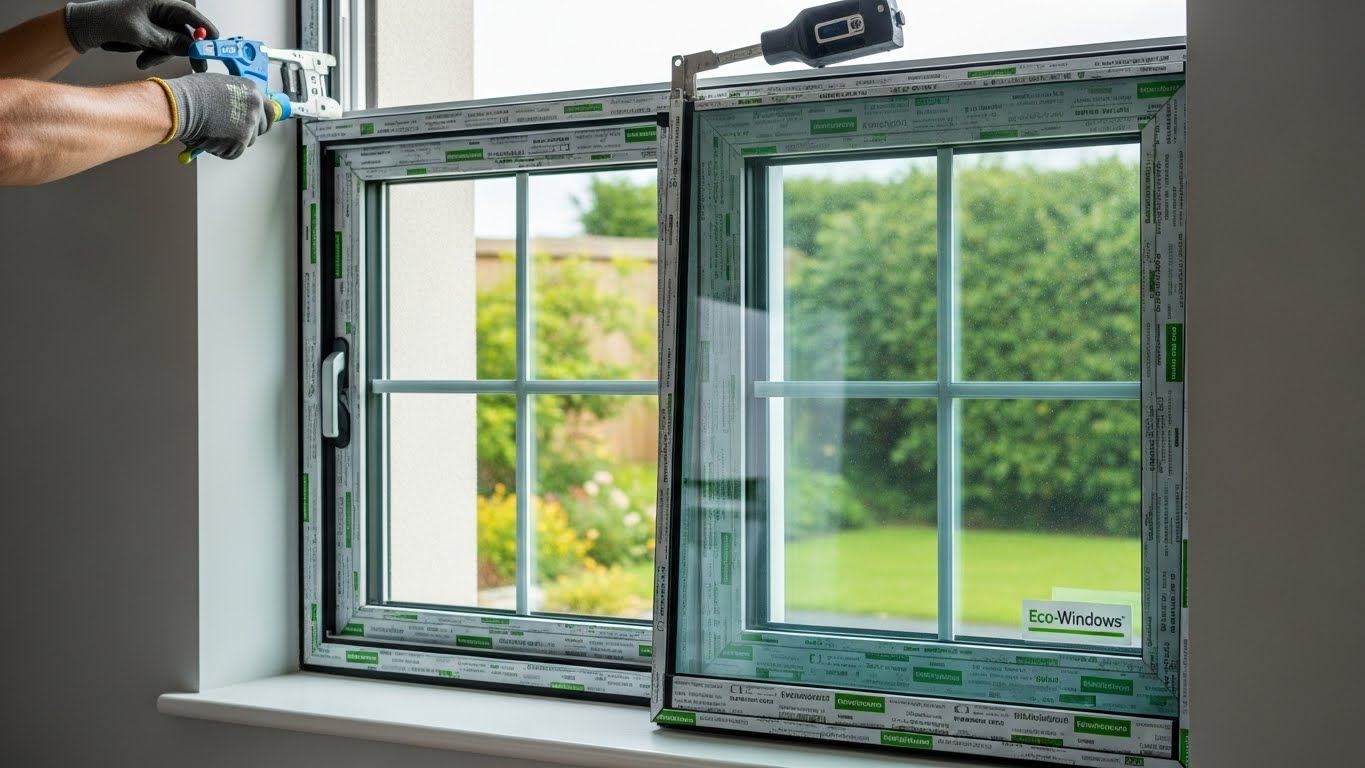
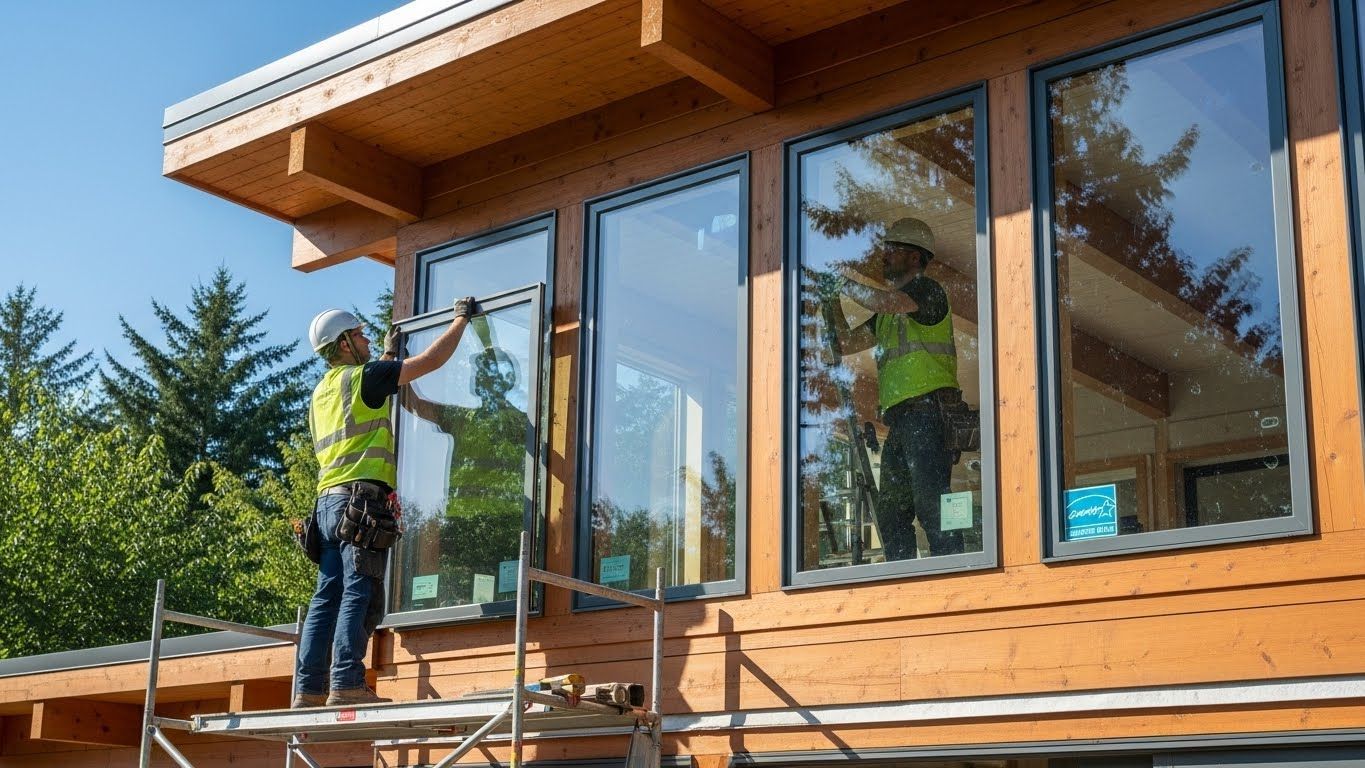
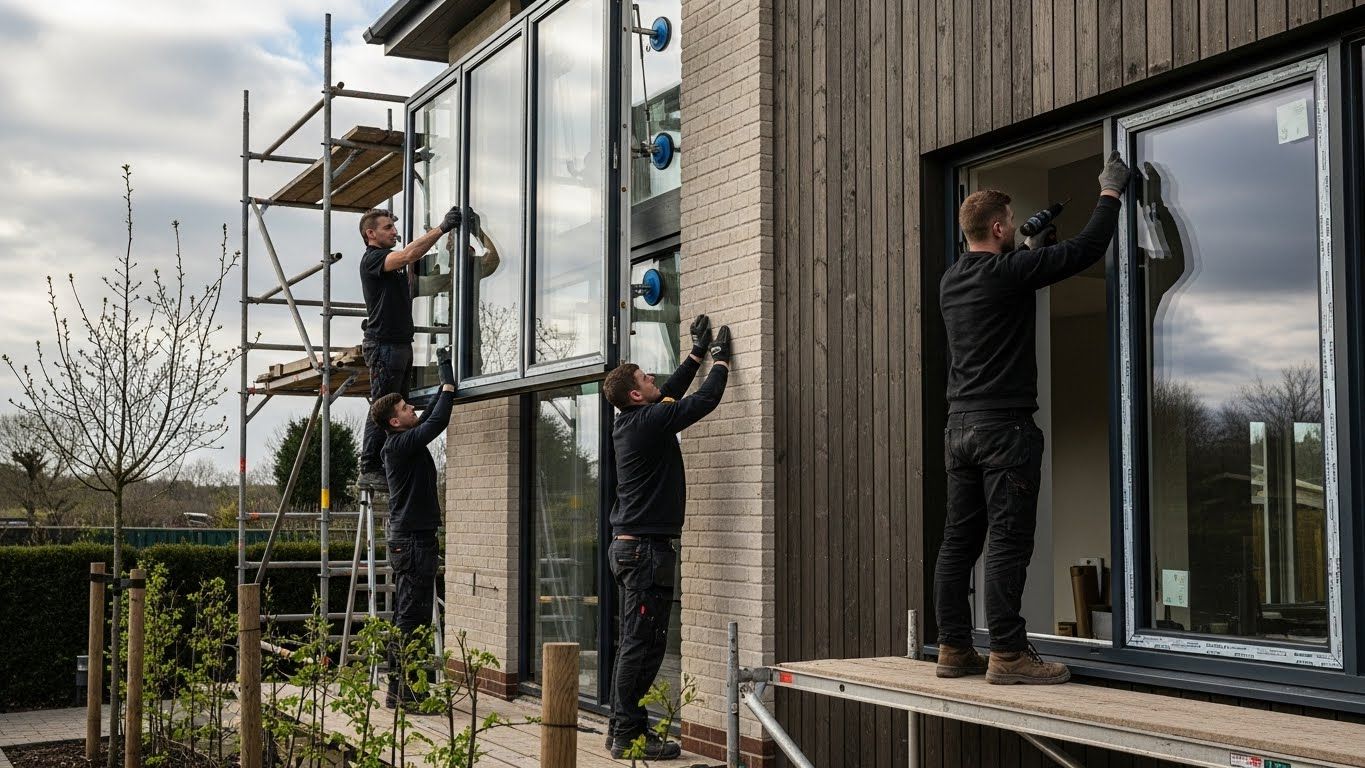
The fix ranges depending on severity. Minor seal failures and gaps around frames can often be addressed with fresh caulk and new weatherstripping — relatively cheap and worth doing immediately. But if you're dealing with failed double-pane seals, visible warping, or windows that are simply old and inefficient by modern standards, replacement is usually the more cost-effective long-term move. Switching from single-pane to energy-efficient windows can save homeowners between $100 and $500 or more annually on heating and cooling costs, which adds up to real money over the life of the windows.
If you've been trying to figure out why your bills keep climbing and the windows causing high energy bills signs described here sound familiar, don't keep adjusting your thermostat and hoping for the best. Start with a thorough inspection of every window in the house — seals, frames, glass condition, and any noticeable drafts. What you find might explain a lot.