
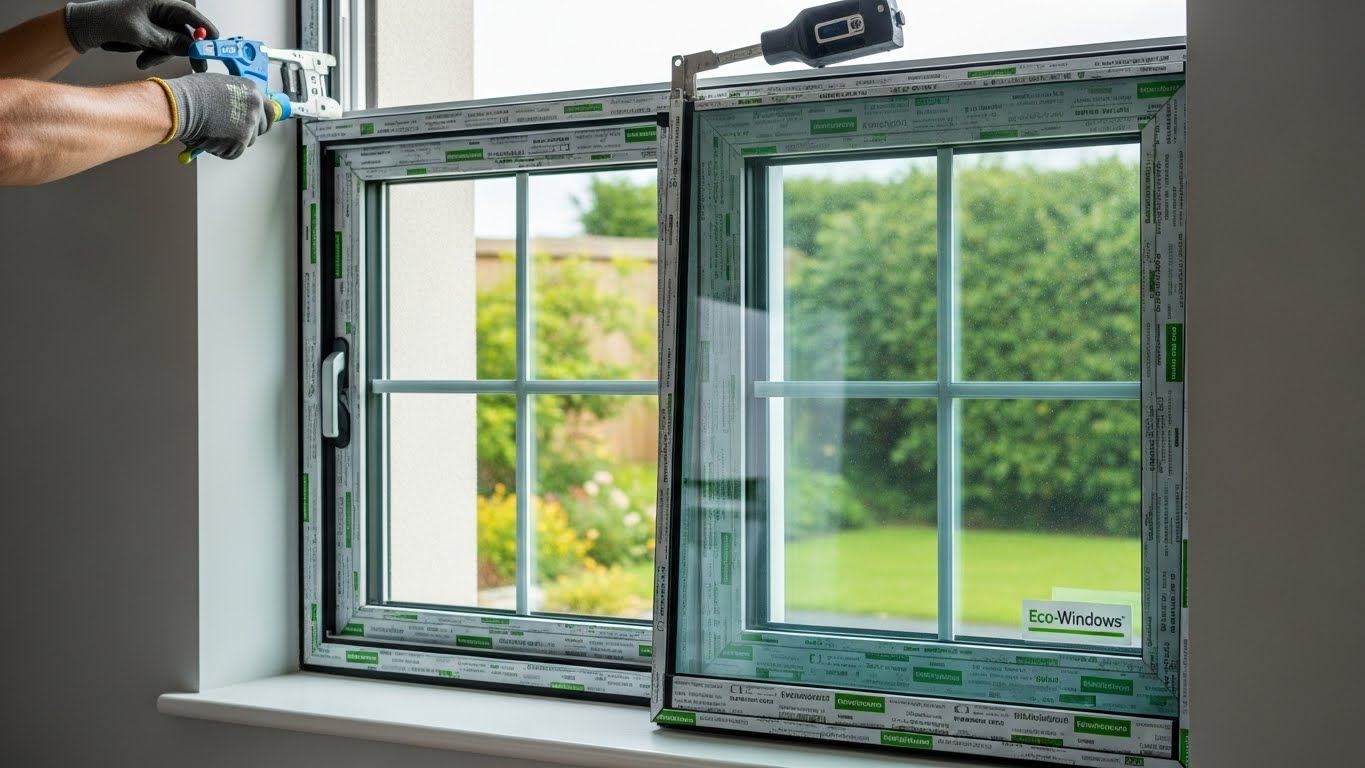
The mechanism is straightforward. Older single-pane windows, and even older double-pane windows with failed seals, transfer heat readily in both directions. In summer, solar heat pours through them and your air conditioner works harder to compensate. In winter, heat escapes through the glass and frames and your heating system runs longer. Modern energy efficient windows interrupt that transfer through a combination of multiple panes, gas fills between the panes (typically argon or krypton), low-emissivity coatings on the glass, and better frame materials that don't conduct heat the way aluminum does. Each of those features addresses a different part of the heat transfer problem.
How Much Can Energy Efficient Windows Actually Lower Your Electric Bill?
The honest answer is yes — but how much depends on what you're replacing, where you live, and which windows you choose. The savings narrative around window replacement gets oversimplified in both directions: some contractors oversell the returns, and some skeptics dismiss the upgrade entirely. The reality is more nuanced and worth understanding before you spend $8,000 to $15,000 on a whole-house window project.
Do Energy Efficient Windows Actually Lower Your Electric Bill?
Get a Free Quote
Contact Us
Why Choose Energy-Efficient Windows in Austin?
The savings potential is highest in climates with temperature extremes — very hot summers, very cold winters, or both. If you're in Phoenix running your AC eight months a year, or in Minnesota heating through a long winter, inefficient windows are costing you real money on every utility bill. The Department of Energy estimates that heat gain and loss through windows accounts for 25 to 30 percent of residential heating and cooling energy use. That's a significant slice, and improving it has meaningful downstream effects on your system runtime and monthly costs.
Where people get tripped up is expecting energy efficient windows to lower their electric bill dramatically regardless of circumstances. If your existing windows are already decent double-pane units in reasonable condition, upgrading to premium triple-pane windows might only improve efficiency marginally — the returns diminish when the baseline is already decent. The biggest gains come from replacing single-pane glass, aluminum-frame windows (which conduct heat aggressively), or any double-pane window with a visible failed seal — the cloudy, fogged appearance that tells you the insulating gas has escaped and the unit is performing like single pane.
Satisfied Clients


Climate zone also shapes which specs matter most. In hot climates, the Solar Heat Gain Coefficient — SHGC — is the number to watch. It measures how much solar heat the window transmits, and lower is better when you're trying to keep heat out. In cold climates, U-factor matters more — it measures overall heat transfer, and lower numbers mean better insulation. A window optimized for a Florida home (low SHGC to block sun) is actually the wrong choice for a Minnesota home (where passive solar gain in winter is helpful). Most window manufacturers and energy raters will steer you toward the right specs for your region, but it's worth understanding what you're looking at on the label.
Frame material is underappreciated in this conversation. Aluminum frames are thermal disasters — metal conducts heat extremely well, which is exactly what you don't want in a window frame. Vinyl frames are far better insulators and are the most common choice in replacement windows for good reason. Fiberglass frames perform similarly to vinyl and tend to be more dimensionally stable over time. Wood frames insulate well but require more maintenance. If your current windows have aluminum frames, switching to vinyl or fiberglass alone improves performance noticeably, even before accounting for the glass upgrade.
The payback period question is the one most people really want answered. Typical estimates run 10 to 15 years for a full window replacement project, which sounds long — and it is, honestly. Windows are rarely a pure financial investment in the way attic insulation or HVAC upgrades can be. Where the value equation improves is when you factor in comfort (the drafty cold wall effect next to old windows is real and miserable), noise reduction (double and triple pane windows are noticeably quieter), reduced UV fading of furniture and flooring, and the curb appeal and resale value bump that new windows reliably provide.
The federal tax credit for energy efficient home improvements — currently 30 percent of the cost of qualifying windows up to a $600 credit per year under the Inflation Reduction Act — offsets some of the upfront cost, as do rebates many utilities offer. Check both before you buy.
The bottom line on energy efficient windows and your electric bill: the savings are real, most significant when replacing genuinely poor windows in extreme climates, and best understood as one part of a broader value picture rather than a standalone financial play. Replace the worst performers first, choose specs matched to your climate, and the combination of lower energy costs, better comfort, and reduced system wear adds up to a legitimate home improvement — even if the payback isn't immediate.
Austin Eco-Windows Near Me?
- Travis Heights, TX
- Hyde Park, TX
- Clarksville, TX
- Barton Hills, TX
- Rosedale, TX
- Zilker, TX
- Tarrytown, TX
- South Congress (SoCo), TX
- West Lake Hills, TX
- Mueller, TX
- Cherrywood, TX
- North Loop, TX
- Crestview, TX
- Downtown Austin, TX
- Rollingwood, TX
- East Austin, TX